Category: Blog

  • How to Look More Confident in Photos (Even if You’re Camera-Shy)

    How to Look More Confident in Photos (Even if You’re Camera-Shy)

    Let’s be honest: very few people walk into our Indianapolis photography studio feeling like a supermodel. In fact, most of my clients—from high-level Salesforce executives to local Indy entrepreneurs—start their session by telling me, “I’m just not photogenic.”

    The truth? Being “photogenic” isn’t a personality trait you’re born with; it’s a set of physical skills you can learn. If you feel awkward in front of the lens, it’s simply because you haven’t been given the right directions.

    As a headshot photographer in Indianapolis specializing in expression coaching, I use a pioneered system to turn camera-shyness into a commanding digital presence. Here is how we do it.


    1. The “Squinch”: The Secret to Instant Confidence

    When we are nervous, our natural instinct is to open our eyes wide. In a photograph, this translates as “fear” or “uncertainty.”

    To look confident, you need to master the “Squinch.”

    • How to do it: Lightly lift and tighten your lower eyelids.

    • The Result: It narrows the eyes slightly, conveying a look of focus, self-assurance, and “moxie.” It is the difference between looking like a “deer in headlights” and looking like a leader.


    2. The Jawline Extension (The “Turtle”)

    One of the biggest fears for camera-shy clients is the “double chin.” Even the leanest individuals can look like they have one if their posture is off.

    • The Technique: Instead of pulling your head back, imagine your head is on a track. Pull your forehead slightly forward and down toward the camera lens.

    • The Result: This elongates the neck and sharpens the jawline, creating a crisp separation between your face and your neck. It feels incredibly awkward in person, but it looks flawless in a professional portrait.


    3. Mastering the “Micro-Smile”

    A “cheese” smile often looks forced because it doesn’t reach the eyes. To look genuinely confident and approachable, we aim for the Duchenne Smile.

    • The Trick: Don’t think about your mouth; think about your cheeks. A small lift in the cheeks naturally creates the “crow’s feet” crinkle near the eyes that humans associate with genuine happiness.

    • The “Space” Method: Keep a tiny bit of space between your teeth. It relaxes the jaw and prevents that “clenched” look that happens when we are stressed.


    4. Hand Placement and Body Language

    Confidence is a full-body experience. Even in a tight headshot, your shoulder position matters.

    • The 45-Degree Turn: Never stand flat-on to the camera. Turning your body 45 degrees away from the lens while keeping your face toward it creates a slimming, more dynamic silhouette.

    • Weight Distribution: Shift your weight to your back foot. This naturally relaxes your front shoulder and prevents you from looking “stiff” or “defensive.”


    5. The “Comfort” Hack: Use Music and Movement

    At our Indianapolis studio, we never ask you to hold a pose for five minutes. Stillness creates staleness.

    • Micro-Movements: We encourage you to move your head slightly between shots. This keeps your expression “live.”

    • The Playlist Factor: We always play your favorite music during the session. It’s hard to stay camera-shy when your favorite track is playing in the background.


    6. Why “Expression Coaching” is Your Best Friend

    The reason many people hate their photos is that their photographer was a “button-pusher,” not a coach.

    At Violet Gorgi Photography, we don’t just tell you to “look natural.” We lead you through a series of facial variations—the 7 Pillars of a Powerful Portrait—to find the exact angles that highlight your best features. When you have a coach directing your every move, the “shyness” disappears because the “guesswork” is gone.


    7. The Power of Professional Retouching

    True confidence comes from knowing the final result will be polished. Our professional retouching isn’t about making you look like a different person; it’s about removing the distractions (stray hairs, temporary blemishes, or clothing wrinkles) so your confidence can shine through.


    Stop Hiding, Start Leading

    Your Indianapolis business network wants to see the real, confident you. Whether you are prepping for a LinkedIn update or a full corporate team session, these techniques will ensure you look as capable as you truly are.

  • LinkedIn Profile Tips: Why Your Photo is Your Digital Handshake

    LinkedIn Profile Tips: Why Your Photo is Your Digital Handshake

    In 2026, your LinkedIn profile is often the first (and sometimes only) impression you make on recruiters, clients, collaborators, and industry peers. With millions of professionals scrolling feeds daily, your profile photo isn’t just a picture—it’s your digital handshake. It conveys trust, approachability, competence, and authenticity before anyone reads a single word of your headline or experience.

    As a headshot photographer in Indianapolis, I work with executives, entrepreneurs, and professionals across the Midwest who rely on strong LinkedIn presence for networking, job opportunities, and business growth. A great photo can boost profile views by up to 21x (per LinkedIn data trends), increase connection requests, and make you memorable in a sea of generic selfies. Here’s why your photo matters so much—and how to make it work for you in 2026.

    1. First Impressions Happen in Milliseconds

    People form judgments in under a second based on visuals alone. Your LinkedIn photo is the visual anchor: it humanizes you in a digital space. A clear, professional headshot signals “I’m real, approachable, and serious about my career.” Blurry selfies, group crops, or outdated images? They raise red flags—like hiding something or lacking attention to detail.

    In 2026, trends emphasize authenticity over perfection. Recruiters and connections want to see the real you: genuine smiles, natural expressions, and subtle character lines that show experience. Overly filtered or AI-generated looks can backfire, making you seem less credible.

    2. Key Elements of a 2026-Ready LinkedIn Headshot

    LinkedIn crops photos to a circle, so optimize for that. Aim for these proven best practices:

    • High Resolution & Size: Upload at least 400×400 pixels (ideally 800×800 or higher) in JPG or PNG. Max file size 8MB. Crisp images look professional; low-res ones scream amateur.
    • Face Framing (The 60% Rule): Your face should fill 60-70% of the frame—head and shoulders only. Direct eye contact builds trust; look straight into the lens like you’re greeting someone in person.
    • Genuine Smile & Expression: A warm, natural smile (showing teeth slightly) boosts likeability and perceived competence. Avoid forced grins or serious “mugshots.” Think confident and approachable.
    • Lighting & Background: Soft, even lighting (natural or diffused) flatters without shadows. Clean, neutral backgrounds (solid colors like navy, gray, or soft blur) keep focus on you—no distractions like messy rooms or busy patterns.
    • Attire: Dress one level above your everyday work look. Solids in navy, charcoal, jewel tones, or soft neutrals work best. Match your industry—tailored blazers for corporate, smart casual for creative/tech.

    For outfit inspiration, check our 2026 style guide: What to Wear for Your Indianapolis Headshot or the timeless 5 tips for choosing the right outfit for your headshot.

    3. Why Professional Beats Selfie Every Time

    Selfies often suffer from poor angles, harsh lighting, and awkward cropping. Professional headshots, taken by an experienced photographer, deliver polished results with coaching on posture, expressions, and posing.

    Benefits include:

    • Higher trust and connection rates.
    • Better performance in LinkedIn’s algorithm (profiles with photos get more views).
    • Versatility for other uses (company bios, websites, press).

    Many clients tell me their updated headshot led to more inbound messages and opportunities. As one executive shared: “It felt like people finally ‘saw’ me.”

    Dive deeper into expressions with headshot tips: expressing your personality in photos or body language via the importance of body language in headshot photography.

    4. Common Mistakes to Avoid in 2026

    • Outdated photos (keep it within 1-2 years; refresh if your look has changed significantly).
    • Group shots, pets, or vacations cropped in.
    • Heavy filters, sunglasses, or hats.
    • Busy backgrounds or low contrast.
    • No photo at all—profiles without one get ignored.

    If you’re camera-shy, our tips in How to Look More Confident in Photos (Even if You’re Camera-Shy) can help ease nerves.

    5. Bonus: Pair Your Photo with a Strong Profile

    Your headshot sets the stage, but optimize the rest:

    • Headline: Clear value proposition.
    • About section: Engaging story.
    • Banner: Complementary visual.

    Together, they create a cohesive personal brand.

    Ready to Upgrade Your Digital Handshake in Indianapolis?

    Your LinkedIn photo is worth investing in—it’s the gateway to opportunities. As a trusted headshot photographer in Indianapolis, corporate photographer in Indianapolis, and portrait photographer in Indianapolis, Violet Gorgi Photography specializes in creating authentic, high-impact headshots tailored for LinkedIn and professional branding.

    Book a session today in our studio or on-location (Carmel, Fishers, Zionsville, downtown Indy, and beyond). We’ll coach you through poses, outfits, and expressions so you leave with images that make you look—and feel—confident.

    Contact me at violet@violetgorgi.com or (317) 909-9170 to get started. Let’s make your digital handshake unforgettable in 2026.

    Your professional network is waiting to connect—give them a reason to reach out.

  • The Psychology of Color: Choosing the Right Colors for Your Headshots

    The Psychology of Color: Choosing the Right Colors for Your Headshots

    As a headshot photographer, I know that the colors you choose for your headshots can have a profound impact on the viewer’s emotions and perception of you. The colors you use can communicate your personality, brand, and message in subtle but powerful ways. In this post, we’ll explore the psychology of color and how to choose the right colors for your headshots.

    The Science of Color

    Color perception and the way it affects human emotions is a fascinating area of research for scientists and psychologists alike. In fact, many studies have been conducted to investigate the link between color and human behavior. Here are some more scientific facts, statistics, and studies related to the science of color:

    • According to a study by the Institute for Color Research, people make a subconscious judgment about a person, environment, or product within 90 seconds of the initial viewing. Up to 90% of this assessment is based on color alone.
    • The same study found that colors can improve brand recognition by up to 80%, making them an essential aspect of branding and marketing.
    • A study by the University of British Columbia found that the color red can negatively affect analytical performance, while blue can enhance cognitive performance.
    • Another study by the University of Rochester found that the color red can increase the perceived attractiveness of a person or object, but only under certain conditions.
    • A study by the University of Texas found that people associate the color green with health and well-being, while blue is associated with calmness and relaxation.
    • Researchers at the University of Amsterdam found that colors can affect our mood and emotional state, and that we can even experience physical sensations when we see certain colors.
    • In a study by the University of California, San Diego, participants were shown images of different colors while their brain activity was monitored. The study found that different colors activate different areas of the brain, which in turn affects our emotions and behavior.

    All of these studies and findings highlight the importance of understanding the science of color when it comes to choosing the right colors for your headshots. By understanding the emotional and psychological effects of different colors, you can make informed decisions about which colors to use and how to use them to achieve your desired outcome.

    The Color Wheel

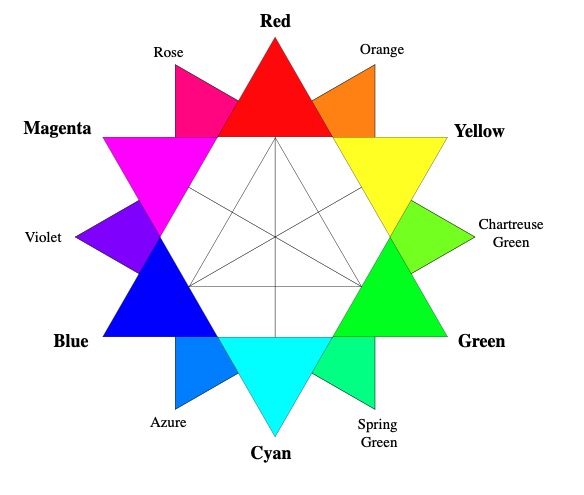
    One useful tool for understanding color psychology is the color wheel. The color wheel is a visual representation of all the colors in the spectrum, organized in a circular shape. The three primary colors (red, yellow, and blue) are evenly spaced around the wheel, with secondary colors (orange, green, and purple) in between them.

    Each color on the wheel has a unique psychological effect on human emotions. For example, red is associated with passion, energy, and excitement, while blue is associated with trust, reliability, and calmness. Yellow is associated with happiness, optimism, and creativity, while green is associated with growth, harmony, and balance. Purple is associated with luxury, creativity, and spirituality, while orange is associated with enthusiasm, warmth, and playfulness.

    Warm and Cool Colors

    Another useful distinction in color psychology is warm vs. cool colors. Warm colors are colors that have a red or yellow undertone, while cool colors are colors that have a blue or green undertone.

    Warm colors tend to be more attention-grabbing and emotionally stimulating, while cool colors tend to be more calming and soothing. For example, red is a warm color that can create a sense of urgency and excitement, while blue is a cool color that can promote feelings of trust and reliability.

    Choosing the Right Colors for Your Headshots

    Now that we understand the psychology of color, how can we use it to choose the right colors for our headshots? The first step is to understand the context of the headshot. Are you using it for a professional profile on LinkedIn or a creative portfolio on Instagram? The context can influence the color choices you make.

    Another important factor is branding. If you have a personal brand or business brand, the colors you choose should be consistent with your brand identity. For example, if your brand is associated with creativity and playfulness, you might choose warm colors like orange and yellow to reflect that.

    Finally, it’s essential to consider your personality and the message you want to convey. Are you a serious professional who wants to convey competence and trustworthiness? Then cool colors like blue and green might be a good choice. Are you a creative artist who wants to convey a sense of playfulness and originality? Then warm colors like red and orange might be a better choice.

    Case Studies

    Let’s look at some real-life examples of headshots with different color schemes and their psychological effects.

    1. Cool Colors: A professional photographer’s headshot with a blue and green color scheme. The cool colors promote feelings of trust and reliability, which is appropriate for a photographer who wants to convey competence and expertise.
    1. Warm Colors: An artist’s headshot with a red and orange color scheme. The warm colors reflect the artist’s creativity and playfulness, and promote a sense of excitement and enthusiasm.
    2. Contrasting Colors: A business professional’s headshot with a blue and orange color scheme. The contrasting colors create a sense of balance and harmony while still promoting a sense of urgency and excitement.

    In each case, the color choices reflect the context, branding, and personality of the subject.

    Conclusion

    Color psychology is a powerful tool for communicating your message and personality in your headshots. By understanding the science of color, the color wheel, and warm vs. cool colors, you can choose the right colors to make a lasting impression on your viewers. As a professional headshot photographer, I recommend experimenting with different color schemes to find the one that best reflects your brand and personality.

    Remember, your headshot is often the first impression you make on potential clients or employers, so it’s essential to make it count.

    Frequently Asked Questions

    Q: Can I use multiple colors in my headshot? A: Yes, you can use multiple colors in your headshot, but it’s essential to choose colors that work well together and reflect your brand and personality.

    Q: Should I choose warm or cool colors for my headshot?

    A: The choice between warm and cool colors depends on your context, branding, and personality. If you want to convey competence and trustworthiness, cool colors like blue and green might be a good choice. If you want to convey creativity and playfulness, warm colors like red and orange might be a better choice.

    Q: Can color choices in headshots affect hiring decisions?

    A: Yes, studies have shown that color choices can affect hiring decisions. For example, a study by the University of British Columbia found that blue was the most preferred color for interview attire because it conveys competence and professionalism.

    Q: How do I know which colors work best for my brand?

    A: It’s essential to consider your brand’s values, personality, and target audience when choosing colors. A branding expert can help you identify the colors that work best for your brand.

    Q: Can color choices affect online engagement with my headshot?

    A: Yes, color choices can affect online engagement with your headshot. For example, a study by HubSpot found that images with a blue dominant color had higher engagement rates on Instagram.

  • Mastering Facial Expressions for Stunning Headshots

    Mastering Facial Expressions for Stunning Headshots

    Are you looking to take your headshots to the next level? A great headshot can make a lasting impression and open doors for your career. As a professional headshot photographer, I have seen firsthand the impact that mastering facial expressions can have on a headshot. In this article, I’ll share my tips and tricks for mastering facial expressions for stunning headshots.

    Understanding Facial Expressions

    Research has shown that the ability to recognize and interpret facial expressions is a crucial aspect of social communication. A study conducted by researchers at the University of California, San Francisco found that individuals with damage to the right hemisphere of the brain, which is responsible for facial recognition, experienced difficulty recognizing facial expressions.

    In addition to the ability to recognize facial expressions, understanding micro-expressions can add an extra layer of depth and authenticity to headshots. Micro-expressions are brief, involuntary facial expressions that reveal a person’s true emotions. According to a study published in the Journal of Personality and Social Psychology, individuals who were better able to recognize and interpret micro-expressions were found to be more empathetic and socially skilled.

    Therefore, it’s important to pay attention to the subtle nuances of facial expressions in order to create impactful headshots. Taking the time to practice and develop your ability to recognize and interpret different facial expressions, including micro-expressions, can help you communicate your personality and emotions more effectively in headshots.

    Preparing for a Headshot

    Preparation is key to achieving a successful headshot. Taking the time to prepare can help you feel more relaxed and confident in front of the camera. Some tips for preparing for a headshot include getting plenty of rest, drinking water to stay hydrated, and practicing relaxation techniques such as deep breathing.

    Posing for Headshots

    In addition to facial expressions, body language and posture are important factors in creating stunning headshots. Good posture can help convey confidence and professionalism, while experimenting with different poses can add variety and interest to your headshots. Remember to keep your body relaxed and avoid stiff or forced poses.

    Communicating with the Photographer

    Communication is key when it comes to achieving your desired headshot. Be sure to communicate your needs and preferences with your headshot photographer to ensure they capture your best angles and expressions. Don’t be afraid to ask questions or make suggestions during the photoshoot.

    Mastering Specific Facial Expressions

    While there are countless facial expressions, there are a few key expressions that are particularly impactful in headshots. These include the smile, the serious look, and the contemplative look. Each expression requires a different approach and technique, but with practice, anyone can master them.

    The Role of Emotions

    Emotions are a powerful tool in headshot photography. The ability to express genuine emotions in a headshot can help create a sense of authenticity and connection with the viewer. Don’t be afraid to tap into your emotions during a headshot session and allow them to shine through in your facial expressions.

    The Power of the Eyes

    The eyes are often referred to as the windows to the soul, and they play a crucial role in headshots. Making eye contact with the camera can help create a connection with the viewer, while using your eyes to convey different emotions can add depth and interest to your headshots.

    Retouching and Editing

    Retouching and editing are important final touches to any headshot. However, it’s important to have a clear idea of what you want before the editing process begins. Communicating your preferences with your headshot photographer and editor can help ensure that the final product meets your expectations.

    Conclusion

    In conclusion, mastering facial expressions is a crucial element in creating stunning headshots. By understanding the different types of expressions, preparing for a headshot session, experimenting with poses, and communicating with your headshot photographer, you can create headshots that truly capture your personality and make a lasting impression.

    Frequently Asked Questions

    Q: How do I choose a headshot photographer?

    A: When choosing a headshot photographer, it’s important to do your research and look at their portfolio to ensure their style matches what you’re looking for. Don’t be afraid to ask for references or to schedule a consultation to discuss your needs and preferences.

    Q: How many different facial expressions should I try to master for my headshots?

    A: While there are countless facial expressions, focusing on a few key expressions such as the smile, serious look, and contemplative look can go a long way in creating impactful headshots. Remember to practice and experiment with different expressions to find what works best for you.

    Q: Do I need professional makeup and hair for my headshot session?

    A: While professional makeup and hair can certainly add to the overall look of your headshots, they are not necessarily required. It’s important to feel comfortable and like yourself during your headshot session, so do what makes you feel your best.

    Q: What should I wear for my headshot session?

    A: The most important thing is to wear something that makes you feel comfortable and confident. Solid colors and simple patterns work well, and it’s best to avoid busy patterns or logos that can be distracting. It’s also important to consider the style of headshot you’re going for and dress accordingly.

    By following these tips and techniques for mastering facial expressions in headshots, you’ll be well on your way to creating stunning and impactful headshots that capture your unique personality and style. Remember to practice, communicate with your headshot photographer, and have fun with the process. With the right preparation and approach, your headshots are sure to make a lasting impression.

  • Mastering Headshot Photography: 6 Tips for Choosing the Perfect Angle

    Mastering Headshot Photography: 6 Tips for Choosing the Perfect Angle

    As a headshot photographer, it’s your job to capture your subject’s personality in a single shot. Choosing the perfect angle is essential for a successful headshot that leaves a lasting impression. Here are six tips to help you choose the best angle for your headshot photography.

    1. Understanding the Face

    Understanding the face is crucial in taking the perfect headshot. According to a study by the Journal of Personality and Social Psychology, facial appearance is a significant factor in forming first impressions. This means that the way the face appears in a headshot can significantly affect the viewer’s perception of the subject. Here are some tips to consider when taking headshots:

    1. Know the Different Face Shapes: Different face shapes require different angles and techniques. According to a study by the University of Toronto, there are seven different face shapes, which are round, square, oblong, heart, diamond, triangle, and oval. Understanding these shapes can help you choose the best angle to flatter the subject’s face.
    2. Highlight the Best Features: It’s essential to highlight the subject’s best features and downplay the less flattering ones. According to a study by the Journal of Social Psychology, people tend to focus more on the eyes and mouth when looking at a face. Therefore, it’s important to make sure these features are in focus and well-lit.
    3. Consider Facial Expression: The subject’s facial expression can make or break the shot. According to a study by the Journal of Experimental Social Psychology, a genuine smile is the most effective expression for creating a positive impression. As a headshot photographer, it’s your job to direct the subject to achieve a relaxed and natural expression.

    2. Positioning the Camera

    Positioning the camera is a critical aspect of headshot photography. It’s essential to consider the camera’s height and angle, as well as the distance between the camera and the subject. Here are some tips to consider when positioning the camera:

    1. Adjust the Height and Angle of the Camera: According to a study by the University of California, San Diego, the camera’s height and angle significantly affect the perception of the subject. A camera placed below the subject’s eye level can make the subject appear dominant, while a camera placed above the eye level can make the subject appear submissive. As a headshot photographer, you need to consider the desired effect and adjust the camera’s height and angle accordingly.
    2. Consider the Distance from the Subject: The distance between the camera and the subject is also crucial. A distance that is too close can result in an unflattering shot, while a distance that is too far away can result in a loss of detail. According to a study by the University of Southern California, the ideal distance is approximately 3 to 4 feet away from the subject.
    3. Use Props: Props can also be useful in headshot photography. They can add interest and personality to the shot, and also provide the subject with something to focus on. According to a study by the Journal of Advertising Research, the use of props in advertising can increase attention and recall.

    3. Lighting for Headshots

    Lighting is an essential element of headshot photography. Different types of lighting can create different moods and effects. Here are some tips to consider when lighting headshots:

    1. Understand the Importance of Lighting: According to a study by the Journal of Consumer Psychology, lighting is an essential factor in creating a positive impression of the subject. Good lighting can enhance the subject’s features and make them look more attractive and professional.
    2. Types of Lighting for Headshots: There are three types of lighting used in headshot photography: natural light, artificial light, and a combination of both. Natural light can provide a soft and natural look, while artificial light can provide more control and consistency. A combination of both can provide the best of both worlds.
    3. Lighting Angles and Positioning: The angle and positioning of the lights can make a big difference in the final shot. According to a study by the University of Central Florida, a light source positioned above and in front of the subject can provide the most flattering and professional look. As a headshot photographer, you need to be able to manipulate the lighting to create the desired effect.

    4. Composition

    Composition is an important element of headshot photography. It’s essential to consider the background and foreground elements and use negative space to add impact to the final image. Here are some tips to consider when composing headshots:

    1. Rule of Thirds: The rule of thirds is an essential element of composition in headshot photography. According to a study by the University of California, Berkeley, the rule of thirds is a powerful tool in creating an aesthetically pleasing image. It involves dividing the frame into thirds vertically and horizontally and placing the subject at the intersection of these lines.
    2. Background and Foreground Elements: The background and foreground elements can add interest and personality to the shot. It’s important to consider the message you want to convey and choose a background and foreground that complements that message.
    3. Importance of Negative Space: Negative space is the area around the subject that is left empty. According to a study by the Journal of Consumer Research, the use of negative space can make the subject stand out and add impact to the final image. As a headshot photographer, you need to be able to use negative space to your advantage.

    5. Posing the Subject

    Posing the subject is an important aspect of headshot photography. A relaxed and natural pose is crucial in achieving a successful headshot. Here are some tips to consider when posing the subject:

    1. Body Positioning and Posture: Body positioning and posture are crucial in headshot photography. According to a study by the Journal of Nonverbal Behavior, body posture can convey a range of emotions and attitudes, and can significantly affect the viewer’s perception of the subject. As a headshot photographer, you need to direct your subject to achieve a relaxed and natural pose.
    2. Facial Expression: The subject’s facial expression is also essential in achieving a successful headshot. A genuine and relaxed expression is usually the best approach. According to a study by the Journal of Experimental Social Psychology, a genuine smile is the most effective expression for creating a positive impression.
    3. Direction and Guidance: As a headshot photographer, it’s your job to direct and guide your subject to achieve a successful pose and expression. According to a study by the Journal of Applied Psychology, clear and concise instructions can help to improve the subject’s performance and confidence.

    6. Reviewing and Selecting Shots

    After taking the headshot, it’s important to review and select the best shots. Technical considerations such as focus and exposure are essential. You also need to consider whether the image conveys the desired message. As a headshot photographer, you need to know what your client wants to communicate and capture that in the image.

    Violet Gorgi is a professional headshot photographer who understands the importance of capturing the perfect angle. As she says, “a headshot is more than just a photo; it’s a representation of who you are.” With these six tips, you can master the art of headshot photography and capture stunning images that leave a lasting impression.

    Frequently Asked Questions

    1. Can I take my own headshot, or should I hire a professional photographer?
    While it’s possible to take your own headshot, a professional headshot photographer can provide expertise and guidance to ensure you get the best shot possible.

    2. What should I wear for a headshot?
    Wear something that makes you feel confident and comfortable. Avoid busy patterns or bright colors that can distract from your face.

    3. How many headshots should I take?
    It’s a good idea to take several shots from different angles to give you a range of options to choose from.

    4. How do I choose the right background for my headshot?
    Consider the message you want to convey and choose a background that complements that message. A plain background is usually a safe option.

    5. How long does a headshot session take?
    A headshot session can take anywhere from 30 minutes to a few hours, depending on the number of shots and the complexity of the setup.

    6. How often should I update my headshot?
    It’s a good idea to update your headshot every few years, or whenever there is a significant change in your appearance or career. A current and professional headshot can help you make a great first impression and stand out in a crowded field.

    In conclusion, choosing the perfect angle is an essential element of headshot photography. By understanding the face, positioning the camera, manipulating lighting, considering composition, directing the subject, and selecting the best shots, you can capture stunning headshots that leave a lasting impression. As professional headshot photographers, it’s our job to capture your subject’s personality in a single shot, and with these six tips, you can do just that.

  • The Difference Between Professional Headshots and DIY Headshots

    The Difference Between Professional Headshots and DIY Headshots

    In today’s digital world, first impressions matter more than ever. Whether you’re looking for a new job, launching a business, or establishing your personal brand, a great headshot can make all the difference. However, with the rise of smartphones and high-quality cameras, it’s easy to assume that taking a DIY headshot is sufficient. In this article, we’ll explore the differences between professional headshots and DIY headshots, the benefits and drawbacks of each, and provide tips to help you make an informed decision.

    What are Professional Headshots?

    Professional headshots are typically taken by a headshot photographer or portrait photographer in a controlled environment. These images are designed to capture your best qualities and convey a professional appearance. They’re typically used for business cards, social media profiles, LinkedIn, and company websites.

    One of the main benefits of professional headshots is that they increase your credibility and trustworthiness. According to a study by Photofeeler, a professional-looking headshot can increase your perceived competency by as much as 38%. This increased perceived competency can translate into more business or job opportunities.

    The Benefits of Professional Headshots

    Another benefit of professional headshots is that they can convey professionalism and expertise. A high-quality headshot can help you stand out in a crowded market and make a positive impression on potential clients or employers. Additionally, a professional photographer can help guide you in capturing the right image, including lighting, poses, and facial expressions.

    What are DIY Headshots?

    DIY headshots are self-taken images captured with a smartphone or camera without the help of a professional photographer. They’re often taken in an uncontrolled environment and may lack the polish and professionalism of a professional headshot.

    While DIY headshots may be appropriate in some situations, such as personal social media profiles or informal marketing materials, they often fall short when it comes to conveying a professional image. According to a study by Hunch, a website with 1,000 responses, images with poor quality and amateur appearance can result in a loss of credibility and unprofessionalism.

    The Drawbacks of DIY Headshots

    One of the main drawbacks of DIY headshots is that they’re often lower quality than professional images. This lower quality can result in a lack of clarity, poor lighting, and unprofessional posing and facial expressions. Additionally, DIY headshots may lack the level of polish and professionalism that’s necessary in some situations, such as job applications, client meetings, or website bios.

    How to Decide Between Professional and DIY Headshots

    When deciding between professional and DIY headshots, there are several factors to consider. First, consider the context in which the headshot will be used. If it’s for a job application or professional website, it’s likely that a professional headshot will be the best option. However, if it’s for a personal social media profile or informal marketing materials, a DIY headshot may be sufficient.

    Additionally, consider the level of professionalism required. If you’re in a high-level executive position or work in a highly competitive field, a professional headshot may be necessary to convey your expertise and professionalism. On the other hand, if you’re starting a small business or working in a more relaxed industry, a DIY headshot may be more appropriate.

    Lastly, evaluate the cost-benefit analysis of professional vs. DIY headshots. While professional headshots may be more expensive, they often come with higher quality images, guidance on posing and facial expressions, and a polished appearance. DIY headshots may be cheaper, but they often lack the level of professionalism necessary to make a strong impression.

    Tips for Taking Great DIY Headshots

    If you’ve decided to take a DIY headshot, there are several tips to keep in mind to ensure you capture a great image. First, use a high-quality camera or smartphone with a good lens to capture the best image possible. Next, pay attention to lighting and background. A clean, uncluttered background and proper lighting can make all the difference in the quality of the image. Dress professionally and practice posing and facial expressions to ensure you capture the right look.

    Lastly, edit the images carefully. Use photo editing software to adjust brightness, contrast, and color balance to create a polished, professional appearance.

    Frequently Asked Questions

    How much should I expect to pay for a professional headshot?

    The cost of a professional headshot can vary depending on the photographer, location, and level of experience. However, you can expect to pay anywhere from $100 to $1,000 for a professional headshot.

    Can’t I just use a selfie for my headshot?

    While a selfie may be appropriate for personal social media profiles or informal marketing materials, it’s not recommended for professional settings. Selfies lack the level of polish and professionalism that’s necessary to make a strong impression in a professional context.

    Do I really need a professional headshot for my business or brand?

    If you’re serious about establishing your brand or growing your business, a professional headshot can make all the difference. A high-quality, professional headshot can convey credibility and expertise, helping you stand out in a crowded market.

    How often should I update my headshot?

    It’s recommended that you update your headshot every 2-3 years or whenever there’s a significant change in your appearance or professional status.

    Conclusion

    Whether you’re looking to establish your personal brand, apply for a new job, or grow your business, a great headshot can make all the difference. While DIY headshots may be appropriate in some situations, a professional headshot is often the best option when it comes to conveying professionalism and expertise. By considering the context, level of professionalism, and cost-benefit analysis, you can make an informed decision on which option is best for you.

  • What Background for a Corporate Headshot?

    What Background for a Corporate Headshot?

    Tips from a Professional Photographer

    Corporate headshots are a crucial element in the world of business, particularly in a world where online presence is key. Whether you’re creating a LinkedIn profile or a business website, a good headshot is essential to portray a professional image. As a headshot photographer, I know that choosing the right background for a corporate headshot is as important as the subject itself. In this article, I’ll provide some tips on how to choose the right background for your corporate headshot.

    The Importance of Background

    The background of your corporate headshot plays a crucial role in creating the right impression on your clients and customers. A cluttered or unprofessional background can detract from the subject, and distract from the message you’re trying to convey. That’s why it’s essential to choose a background that’s simple, elegant, and professional.

    Colors play a significant role in setting the tone of your corporate headshot. They can convey different emotions and associations that can influence the viewer’s perception of your brand. For instance, blue connotes trust and reliability, while green signifies growth and nature. On the other hand, red is associated with passion and excitement, while black represents sophistication and luxury.

    Professional headshot photographers understand the impact of color and can help you choose the right background that aligns with your brand’s values and messaging. They can also recommend the best colors that complement your skin tone and clothing choices, creating a cohesive and visually appealing image.

    Another critical aspect of the background is the lighting. A well-lit background can enhance the subject and make the image look more professional. On the other hand, poorly lit backgrounds can create shadows and uneven lighting that can detract from the subject’s appearance. Professional photographers have the right equipment and expertise to ensure that the lighting is optimal, creating a polished and professional image that reflects your brand’s values.

    Choosing the Right Color

    Color psychology plays a vital role in selecting the background for a corporate headshot. Different colors can evoke different emotions, which can help you convey the desired message in your image. For instance, blue is a popular color for corporate headshots, as it symbolizes trust, reliability, and professionalism. On the other hand, green represents growth, freshness, and innovation, making it a suitable choice for companies in the tech industry. Red is a color that conveys a sense of power, passion, and energy, while black is often associated with elegance, sophistication, and luxury.

    Avoid Busy Backgrounds

    As a professional photographer, I always recommend my clients avoid busy backgrounds, as they can be distracting and take away from the subject. A simple background is often more effective and allows the subject to be the main focus of the image. A plain white or grey background is a popular choice, as it allows the subject’s attire and facial expression to stand out.

    Consider Your Branding

    When selecting the background for your corporate headshot, you must consider your branding. Your branding encompasses all the visual elements that identify your business, including your logo, colors, fonts, and imagery. It’s essential to maintain consistency across all your marketing materials to create a strong brand identity that resonates with your audience.

    If you’re unsure of what background to choose, take a cue from your branding. Consider your brand’s colors and choose a background that incorporates those colors. If you’re a financial institution, for example, you may want to choose a blue background, as blue is a color that represents trust and reliability. On the other hand, if you’re a creative agency, you may want to choose a colorful background that reflects your brand’s playful and imaginative spirit.

    It’s also important to consider your brand’s tone and style. Are you a serious, professional brand, or do you have a more casual, laid-back vibe? Your background should reflect your brand’s tone and style, so it’s consistent with your overall image. If you’re a professional law firm, for example, you may want to choose a plain, muted background that conveys a sense of seriousness and professionalism. If you’re a startup with a more casual, friendly culture, you may want to choose a background that reflects that.

    Remember that your headshot is a representation of your brand, and it’s essential to get it right. A professional photographer can help you choose the right background for your corporate headshot, so it aligns with your brand’s values and culture. They can also ensure that the lighting and shadows are even and that the background doesn’t distract from the subject.

    Lighting and Shadows

    Lighting and shadows also play a crucial role in selecting the right background for your corporate headshot. The lighting should be even across the subject’s face, so there are no harsh shadows. The background should also be well lit, so it doesn’t distract from the subject. As a professional photographer, I recommend using natural light or a softbox for even lighting.

    Final Thoughts

    In conclusion, selecting the right background for your corporate headshot is essential to convey the right message to your audience. As a professional photographer, I recommend choosing a background that aligns with your brand’s values and culture. Consider the color psychology, avoid busy backgrounds, and ensure that the lighting is even. By doing so, you’ll create a headshot that portrays a professional image of yourself and your business.

    Fun Fact: According to a study by LinkedIn, profiles with professional headshots receive 14 times more views than those without a headshot.

    Citation: LinkedIn. (2018). The impact of a professional headshot [Infographic]. Retrieved from https://business.linkedin.com/talent-solutions/resources/talent-engagement/the-impact-of-a-professional-headshot-infographic

  • The Role of Headshots in Building Your Personal Brand

    The Role of Headshots in Building Your Personal Brand

    When it comes to building your personal brand, there are many factors to consider. One of the most important is your headshot. While it may seem like a small detail, your headshot can have a significant impact on how you’re perceived by potential clients, employers, and networking contacts. In this article, we’ll explore the critical role that headshots play in building your personal brand and provide tips for getting the most out of your headshot session.

    First Impression

    As the old saying goes, you never get a second chance to make a first impression. This is especially true in today’s digital age, where potential clients or employers may form an impression of you based solely on your online presence. Your headshot is often the first point of contact, so it’s crucial to make sure it’s a positive one.

    Research shows that it takes just one-tenth of a second to form a first impression of someone based on their facial appearance. A professional headshot, taken by a headshot photographer, can help you create a positive first impression by projecting confidence, approachability, and professionalism.

    Brand Identity

    Your personal brand is more than just a logo or a tagline. It’s the image you project to the world, and it should be consistent across all channels. Your headshot plays a crucial role in creating and maintaining a consistent brand identity.

    Using a cohesive set of headshots across your website, social media profiles, and marketing materials can help you establish a strong brand identity. Your headshot should communicate your brand values and personality, which can help potential clients or employers better understand who you are and what you stand for.

    Social Media Presence

    In today’s digital age, having a strong social media presence is essential. However, it’s not enough to simply have profiles on different platforms. Your social media profiles should also be professional and consistent, and your headshot is a crucial part of that.

    Studies show that social media users are more likely to engage with content that includes a high-quality image. By using a professional headshot on your social media profiles, you can enhance your personal brand and increase engagement with your content.

    Job Applications

    In some industries, a professional headshot is a must-have when applying for jobs. For example, in the entertainment industry, actors and models are often required to include a headshot with their resume. However, even in industries where a headshot is not required, it can still set you apart from other candidates.

    A professional headshot can demonstrate your professionalism and attention to detail, which are qualities that employers look for in job candidates. By investing in a headshot session with a professional photographer, you can increase your chances of standing out from the crowd and landing your dream job.

    Networking

    Networking is an essential part of building your personal brand. Your headshot can help facilitate networking opportunities by creating a memorable first impression. When attending networking events, make sure to bring along a stack of business cards that include your headshot. This can help potential contacts remember who you are and what you do.

    Additionally, if you’re speaking at a conference or other professional event, using a professional headshot on the promotional materials can help increase attendance and engagement. Your headshot should be seen as an investment in your personal brand, one that can pay off in many ways.

    Tips for Effective Headshots

    To get the most out of your headshot session, there are several tips to keep in mind. First, choose the right photographer. Look for a portrait photographer with experience in headshot photography, and make sure to review their portfolio to ensure their style aligns with your needs.

    It’s clear that having a professional headshot is an important aspect of building your personal brand. But why exactly is it so essential?

    Firstly, it helps you to establish trust with potential clients or employers. A professional headshot gives the impression that you take yourself and your work seriously, which in turn helps others to trust you and your abilities. In fact, a study conducted by CareerBuilder found that job candidates with a professional headshot were perceived as more competent, likable, and influential than those without one.

    Furthermore, a high-quality headshot can help you stand out from the competition. In today’s digital age, it’s crucial to have a strong online presence, and a professional headshot is an important element of that. When people are browsing through social media or LinkedIn profiles, a well-crafted headshot can help you catch their eye and make a lasting impression.

    Another benefit of having a professional headshot is that it can help you showcase your personality and individuality. A skilled headshot photographer will work with you to capture your unique essence, giving potential clients or employers a sense of who you are beyond just your qualifications or job experience.

    Of course, it’s not just about the headshot itself – it’s also about the process of getting it done. Working with a professional photographer can be a valuable experience in and of itself. It can help you feel more confident and comfortable in front of the camera, which can translate into other areas of your life. And with the right photographer, the process can even be fun!

    So, whether you’re a job seeker, an entrepreneur, or simply looking to build your personal brand, investing in a professional headshot is a smart choice. It can help you establish trust, stand out from the competition, showcase your personality, and even boost your confidence.

    Frequently Asked Questions

    Q: What should I wear for my headshot?

    A: It’s important to choose clothing that makes you feel comfortable and confident. Solid colors tend to work well, as do clothing items that flatter your body type. Avoid anything too trendy or distracting, as the focus should be on your face.

    Q: How much does a professional headshot session cost?

    A: Prices can vary depending on the photographer and location, but expect to pay anywhere from $100 to $500 or more. Remember, though, that investing in a high-quality headshot is an investment in your personal brand and career.

    Q: How do I choose a headshot photographer?

    A: Look for a photographer who specializes in headshots and has experience working with clients in your industry. Check out their portfolio to get a sense of their style and the quality of their work. And don’t be afraid to ask for references or read reviews from past clients.

    Q: What if I’m not photogenic?

    A: Don’t worry – a skilled headshot photographer will know how to bring out your best qualities and make you feel comfortable in front of the camera. And remember, a professional headshot isn’t about being “photogenic” – it’s about showcasing your professionalism and personality.

  • The Power of Lighting in Headshot Photography

    The Power of Lighting in Headshot Photography

    In the world of headshot photography, lighting is everything. A good headshot photographer understands the power of lighting and how to use it to create a compelling and professional image. Whether you are a corporate photographer or a professional photographer who specializes in headshots, understanding the basics of lighting is crucial. In this article, we will explore the importance of lighting in headshot photography, its impact on mood and emotion, the technical aspects of lighting, and how to use lighting creatively to take your headshots to the next level.

    Understanding the Basics of Lighting in Headshot Photography

    The first step to mastering lighting in headshot photography is understanding the different types of lighting available. There are three main types of lighting: natural, artificial, and mixed. Natural light is light that comes from the sun and can be diffused or reflected to create a soft, flattering effect. Artificial light is any light that is not natural, such as studio lights, flashes, and continuous lighting. Mixed lighting is a combination of natural and artificial light, which can create interesting effects.

    When choosing the type of lighting for your headshot, it’s important to consider the desired effect. For example, natural light is great for creating a soft and natural look, while artificial light can be used to create more dramatic and defined shadows. Once you have chosen the type of lighting, it’s time to think about lighting setups. A one-light setup is the most basic and simple setup, while a two-light or three-light setup can create more dimension and depth.

    The Impact of Lighting on Mood and Emotion in Headshot Photography

    Lighting can also have a significant impact on the mood and emotion of a headshot. For example, warm and soft lighting can create a relaxed and friendly mood, while cool and harsh lighting can create a more serious and dramatic mood. The position of the light source can also impact the mood of the headshot. Front lighting, where the light is positioned directly in front of the subject, can create a neutral and approachable mood, while side lighting can create more contrast and drama.

    As a headshot photographer, it’s important to understand the desired mood and emotion of the headshot and use lighting to achieve that effect. For example, if the subject is a CEO, you may want to use more dramatic lighting to convey power and authority.

    The Importance of Proper Lighting in Highlighting Facial Features

    One of the most important aspects of headshot photography is highlighting the subject’s best features. Proper lighting can be used to create dimension and depth in the subject’s face, highlighting their best features and minimizing flaws. For example, using a light positioned slightly above and to the side of the subject’s face can create shadows that define the cheekbones and jawline.

    Understanding how to highlight facial features with lighting takes practice and skill, but can greatly enhance the overall quality of a headshot.

    The Technical Aspects of Lighting in Headshot Photography

    In addition to understanding the basics of lighting and its impact on mood and facial features, headshot photographers must also understand the technical aspects of lighting. Light metering and exposure are crucial to achieving the desired effect, as is white balance and color temperature.

    Light metering and exposure determine how much light hits the camera’s sensor and how bright or dark the resulting image will be. Proper white balance is crucial for achieving accurate colors in the final image, while color temperature can impact the mood and emotion of the headshot.

    The Creative Use of Lighting in Headshot Photography

    Finally, the creative use of lighting can take headshot photography to the next level. Unconventional lighting techniques can create unique and memorable headshots. For example, using a colored gel over a light can create a striking and dynamic effect. Similarly, using shadows creatively can add depth and interest to a headshot.

    As a headshot photographer, it’s important to experiment with different lighting techniques to discover what works best for each individual subject. Every person is unique, and lighting should be used to highlight their individuality and personality.

    Frequently Asked Questions

    Why is lighting so important in headshot photography?

    Lighting plays a crucial role in creating a compelling and professional headshot. Proper lighting can highlight facial features, create mood and emotion, and add depth and dimension to the subject.

    What type of lighting is best for headshot photography?

    The type of lighting used depends on the desired effect. Natural light is great for creating a soft and natural look, while artificial light can be used to create more dramatic and defined shadows. Mixed lighting can create interesting effects.

    What is the best lighting setup for headshot photography?

    The best lighting setup depends on the desired effect and the subject. A one-light setup is the most basic and simple setup, while a two-light or three-light setup can create more dimension and depth.

    How can lighting be used creatively in headshot photography?

    The creative use of lighting can take headshot photography to the next level. Unconventional lighting techniques, such as using colored gels or shadows, can create unique and memorable headshots.

    What are some technical aspects of lighting in headshot photography?

    Technical aspects of lighting include light metering and exposure, white balance, and color temperature. These factors impact the brightness, color accuracy, and mood of the final image.

  • The Dos and Don’ts of Corporate Headshot Photography for a Perfect Professional Headshot

    The Dos and Don’ts of Corporate Headshot Photography for a Perfect Professional Headshot

    Introduction

    A corporate headshot is a powerful marketing tool that can help you make a great first impression. Whether you are a CEO, entrepreneur, or professional, having a professional-looking headshot is essential to building a strong personal brand. In this article, we will discuss the dos and don’ts of corporate headshot photography to help you achieve the perfect headshot.

    Dos

    1. Choose clothing that represents your brand and industry. Your outfit should represent your brand and industry. If you work in finance or law, consider wearing a suit or formal attire. If you work in a creative industry, you can choose something more casual or trendy.
    2. Wear well-fitting clothing that flatters your body shape. Your outfit should fit you well and flatter your body shape. Ill-fitting clothing can make you appear sloppy or unprofessional.
    3. Select neutral or solid colored clothing. Neutral or solid colored clothing is timeless and professional. Avoid bright or busy patterns that can be distracting.
    4. Choose a simple and professional background. The background of your headshot should be simple and professional. A plain white or gray background is a safe choice.
    5. Use lighting that enhances your features and skin tone. Good lighting can make all the difference in a headshot. Natural lighting is ideal, but if that’s not possible, use soft, diffused lighting to enhance your features and skin tone.
    6. Practice good posture and body language. Good posture and body language can make you appear confident and approachable. Stand up straight, and angle your body slightly towards the camera.
    7. Hire a professional photographer. A professional photographer will have the knowledge and equipment necessary to create a high-quality headshot. Don’t skimp on this important investment.
    8. Plan ahead and schedule the session at a convenient time. Give yourself plenty of time to prepare for your headshot session. Schedule the session at a time that works best for you and your photographer.
    9. Communicate your needs and preferences with the photographer. Be clear about your expectations and preferences with your photographer. This will help them create the perfect headshot for you.
    10. Relax and have fun during the shoot. A relaxed and confident subject makes for a better headshot. Take a deep breath, smile, and have fun with the process.

    Don’ts

    1. Don’t wear clothing that is too trendy, flashy, or distracting. Clothing that is too trendy, flashy, or distracting can take away from the focus of the headshot, which is you.
    2. Don’t wear clothing that doesn’t fit properly. Ill-fitting clothing can make you appear sloppy or unprofessional. Make sure your clothing fits you well and flatters your body shape.
    3. Avoid busy or cluttered backgrounds. Busy or cluttered backgrounds can be distracting and take away from the focus of the headshot, which is you.
    4. Don’t use harsh or unflattering lighting. Harsh lighting can create unflattering shadows and highlights. Soft, diffused lighting is ideal for a headshot.
    5. Don’t slouch or use poor body language. Poor posture and body language can make you appear unconfident or unapproachable. Stand up straight and angle your body towards the camera.
    1. Don’t take your own headshot or use a low-quality camera

    While it may be tempting to save money by taking your own headshot, using a low-quality camera or smartphone camera can result in an unprofessional-looking photo. Professional photographers have access to high-quality equipment and are trained to capture the best possible image. Taking your own photo or using a low-quality camera can result in blurry or pixelated images that do not accurately represent you or your brand.

    1. Don’t forget to groom yourself before the shoot

    Personal grooming is an important aspect of corporate headshot photography. Make sure to take the time to groom yourself properly before the shoot. This includes getting a haircut, trimming your facial hair, and applying makeup if necessary. It’s also a good idea to wear clothing that is clean and wrinkle-free.

    1. Don’t wear too much makeup or choose dramatic hairstyles

    While it’s important to look polished and professional, it’s also important to avoid going overboard with your makeup and hairstyle. Choose a natural makeup look and a simple hairstyle that doesn’t distract from your face. Avoid bold or dramatic hairstyles and hair colors that can detract from the overall image.

    1. Avoid wearing clothing with logos or brand names

    Wearing clothing with logos or brand names can be distracting and take away from the purpose of the photo, which is to highlight your face and personal brand. Stick to neutral, solid-colored clothing that represents your industry and brand.

    1. Don’t be afraid to ask questions or speak up if something isn’t working

    Communication is key when it comes to corporate headshot photography. Don’t be afraid to ask questions or provide feedback to the photographer. If something isn’t working or if you’re not comfortable with a particular pose or angle, speak up and let the photographer know. A professional photographer will be happy to work with you to create the best possible image.

    Conclusion

    In conclusion, corporate headshot photography is an essential part of building a professional image and personal brand. Your headshot is often the first impression you make on potential clients, employers, and business partners. Therefore, it is crucial to ensure that your headshot conveys the right message.

    By following the dos and don’ts outlined in this article, you can ensure that your headshot portrays you in the best possible light. Remember to choose clothing that represents your brand and industry, wear well-fitting clothing that flatters your body shape, select neutral or solid colored clothing, choose a simple and professional background, use lighting that enhances your features and skin tone, and practice good posture and body language.

    It is also important to hire a professional headshot photographer, plan ahead and schedule the session at a convenient time, and communicate your needs and preferences with the photographer. Don’t forget to relax and have fun during the shoot, as this will help you feel more comfortable and confident in front of the camera.

    On the other hand, avoid wearing clothing that is too trendy, flashy, or distracting, clothing that doesn’t fit properly, busy or cluttered backgrounds, harsh or unflattering lighting, slouching or using poor body language, taking your own headshot or using a low-quality camera, forgetting to groom yourself before the shoot, wearing too much makeup or choosing dramatic hairstyles, and wearing clothing with logos or brand names.

    By avoiding these common mistakes, you can ensure that your headshot is professional, polished, and effective in conveying your personal brand. So, go ahead and book a professional photographer for your next headshot session and put your best face forward!